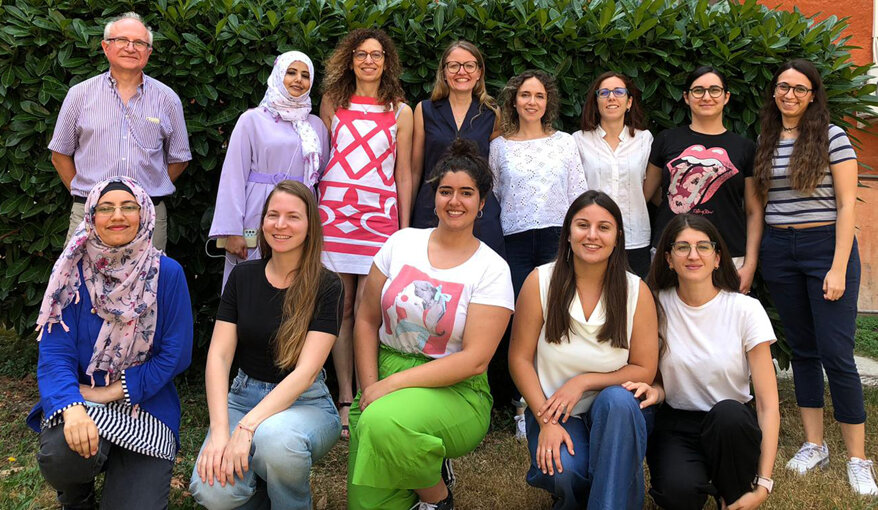
Skeletal Diseases Lab
PI Antonella Forlino
MEMBERS: Roberta Besio , Francesca Tonelli, Nadia Garibaldi, Silvia Cotti, Barbara Contento, Cecilia Masiero, Alessandra Sala, Carla Aresi.
Molecular, biochemical and functional study of common and inherited skeletal diseases to define their mechanisms and develop innovative therapies. We are an international center for the study of osteogenesis imperfecta, a group of inherited diseases related to type I collagen and a good model to study early-onset osteoporosis.
Besio R. et al. Matrix Biol. 2023;120:43-59; Tonelli F, et al. Matrix Biol. 2020;90:40-60; Forlino A, Marini JC. Lancet. 2016;387(10028):1657-1671.
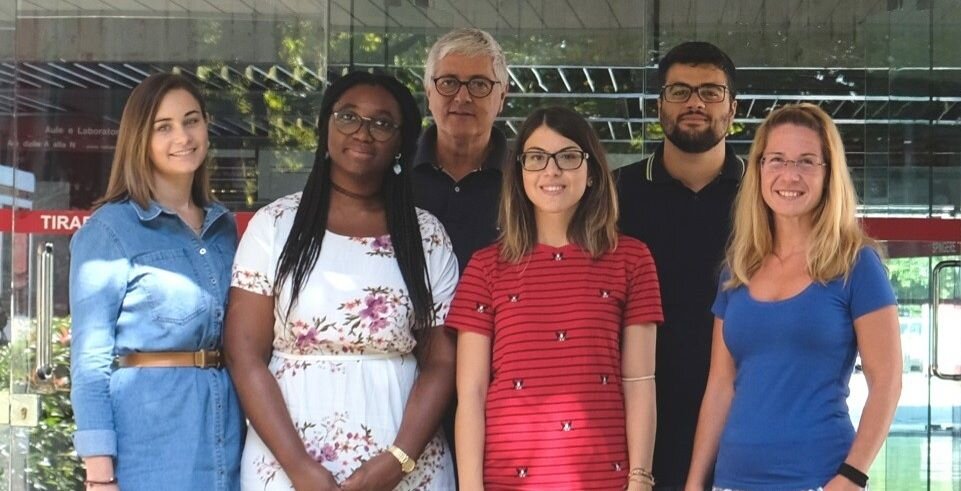
Extracellular Matrix Pathobiology Lab
PI Maurizio Onisto
MEMBERS: Maurizio Onisto, Valentina Masola, Nicola Greco, Walter Giuriati, Lorenzo Bizzotto.
Unit headed by Prof.Onisto deals with the study of ECM remodeling during tissue repair and various pathological processes. The research activities focus on the study of heparanase, the unique and specific endoglycosidase capable of cleaving heparan sulfate (HS) chains. HS cleavage results in remodelling of ECM as well as in regulating the release of many HS-linked molecules such as growth factors, cytokines and enzymes involved in inflammation, wound healing and tumour invasion. The current research is also focused on metabolic regulation of the epithelial to mesenchymal transition (EMT) process involved in several pathological events such as cancer and organ fibrosis.
Masola V. et al. Matrix Biol. Plus 2022; 13: pp.100097; Masola V. et al. 2022 Front. Oncol.; 12: 918419; Masola V. et al. 2020 Semin Cancer Biol. ;62:86-98.
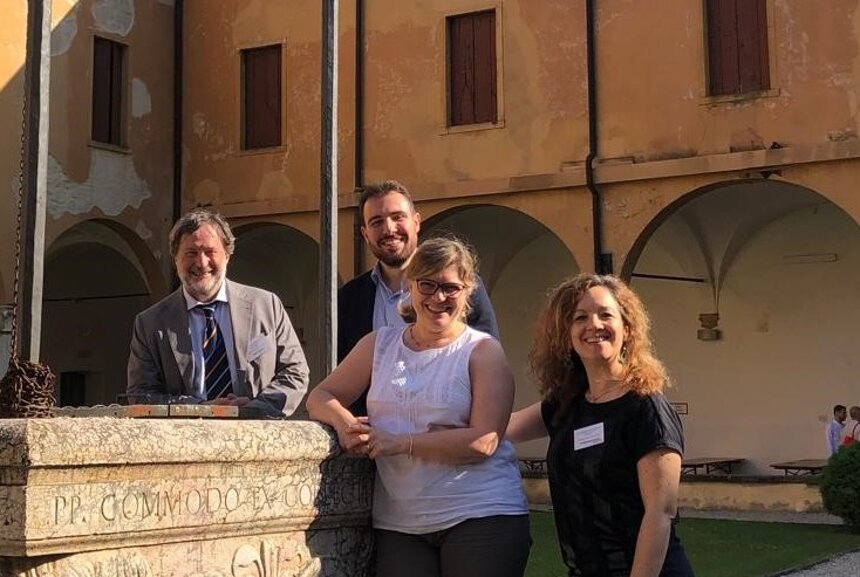
Hyaluronan Pathobiology Lab
PI Alberto Passi
MEMBERS: Alberto Passi, Davide Vigetti, Manuela Viola, Jenny Karousou, Paola Moretto, Davide Antognoli, Arianna Parnigoni.
The Hyaluronan group at the University of Insubria (Varese), study the involvement of this polymer in the homeostasis and function of extracellular matrix, from its genetic production to epigenetic control and post-translational regulation. Hyaluronan is a key component of the extracellular matrix, and it is usually referred to as a molecule able to provide hydration and elasticity to tissues, in particular in skin, joints, and connective tissues, where it helps maintain structural integrity. Besides, hyaluronan can also play a crucial role in wound healing, lubrication, and cell signaling, by means of engagement with specific receptor and the activation of several regulatory kinases (e.g. Erk, AMPK). It is noteworthy that its levels decline with age, leading to reduced moisture and skin elasticity, but it can also be highly increased during the onset of several pathologies, such as atherosclerosis or cancer.
Parnigoni A. et al. Am J Physiol Cell Physiol. 2022, 323(2):C505-C519; Karousou E. et al. Matrix Biol. 2022,109:140-161; Riecks J. et al. J Cancer Res Clin Oncol. 2022, 148(12):3399-3419.
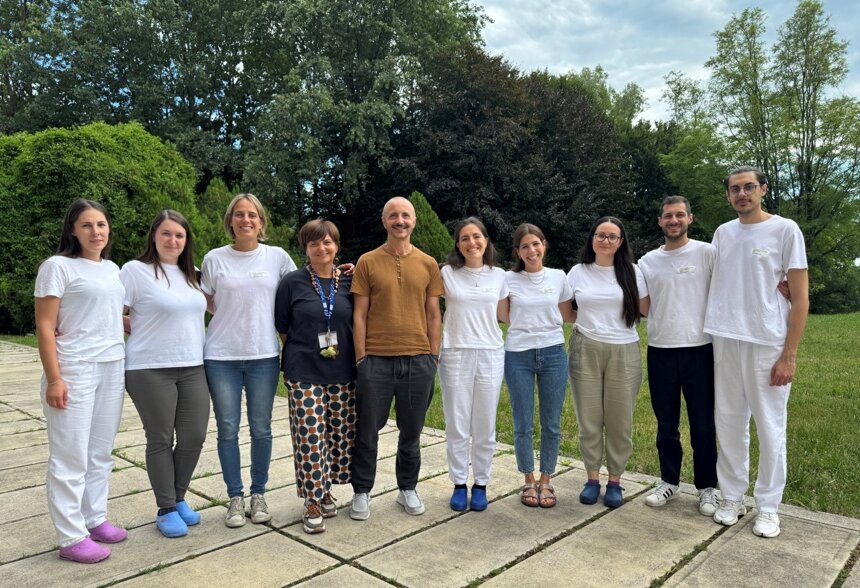
Angiogenesis and the Tumor Microenvironment Lab
PI Maurizio Mongiat
MEMBERS: Nike Casagrande, Evelina Poletto, Giorgia Schinello, Emanuele di Siena, Matteo Braga.
The Angiogeneseis and the Tumor Microenvironment laboratory at the CRO-IRCCS of Aviano is dedicated to studying the molecular mechanisms by which the extracellular matrix (ECM) influences tumorigenesis and angiogenesis - the formation of blood vessels. Tumor vessels are required to support tumor growth but also represent the route for metastatization and affect the immune response. In particular, the studies focus on two components of the extracellular matrix:
• EMILIN-2, which has broad expression in different tissues;
• Multimerin-2 which is specifically expressed along the blood vessels.
We found that EMILIN-2 influences tumor growth both directly, by interfering with regulatory mechanisms of tumor cell proliferation, and indirectly by influencing the immune response and angiogenesis. Instead, the expression of Multimerin-2, which is often lost in tumor vessels, predominantly impacts angiogenesis and blood vessel functionality. Overall the aim of the research is to develop new prognostic markers or therapeutic targets capable of overcoming the resistance associated with chemotherapy and anti-angiogenic treatments.
Matrix, Migration and Metastasis Lab
PI Paola Spessotto
MEMBERS: Samanta Muzzin, Enrica Timis.
The central focus of the Laboratory of Matrix, Migration and Metastasis (3M) at the CRO-IRCCS of Aviano is the extracellular matrix protein EMILIN-1, a key tumor suppressor in the microenvironment. We have shown that EMILIN-1 binding to α4/α9β1 integrins mediates two critical functions: it exerts direct anti-proliferative effects on tumors and maintains the structural integrity of lymphatic vessels. Consequently, the proteolytic loss of EMILIN-1 has a dual negative impact: it accelerates primary tumor growth and facilitates metastatic dissemination by creating hyperpermeable lymphatic vessels. Recently, we have expanded this paradigm by demonstrating that EMILIN-1 deficiency also fosters a pro-fibrotic and pro-inflammatory microenvironment, characterized by an accumulation of M1 macrophages."